Saturday, April 25, 2020

Old Roads


Everyone, well, almost everyone, has a story to tell.  We haven’t  encountered any person who wasn’t willing to tell their story of some past time.  Every place has a story to tell as well, but place stories are always generated by the person who was there. 

Of most importance is that the story of a place must be documented because if it is not, then at some time in the future it ceases to be a story and is lost forever.

Earlier, when we looked at the history of Hugo and the upper end of Purgatory Roads, we found a few items of historical significance, but knew at the time that we had not yet found most of what lies hidden  about the people and their activity on Hugo and Purgatory Roads.

Paper documents seem archaic today in this digital age, but digital files can be lost due to advances in technology. Take for example digital files we made on the old A drives.  These are not readily readable today because most people who had files on the old floppy discs tossed the discs away because they no longer had a reader.  I found that to be the case, so now I have an A drive reader.[1]  The next example is photography.  All of us take far more photos today than any time in the past, but are these photos being saved with labels?  If not saved with a label, either by hand or with metadata, they too will become lost.

So, the best way to preserve a record for general use in the distant future, is to write it out on paper.  Acid free, that is.

Recently we came across a paperback book in the Historical Museum in Seguin[2] that chronicled life along a road running from San Antonio to Seguin.  The book is filled with information about life in the farming community alongside this road and how that life changed with WW I & II and the industrialization of the whole area that followed these events.  It’s all on paper and all readily available.

In this area between Seguin and San Antonio a bit more than a hundred years ago, there were only two roads that linked San Antonio to the town of Seguin.  One was called the Upper Seguin Road and the other was called the Lower Seguin Road.  In early days, descriptive terms like these had more meaning to the residents along this road than highway numbers as used today.  After all, who else needed to know the name of the road other than the local people? So, for you to locate these roads today, they are FM 78 and County Road 312.  Plug those numbers into Google maps app on your phone and you find right where they are. However, that’s all you know about life along these two roads unless you read the book which a very thoughtful person wrote 20 years ago.

Roads carry a lot of history because many of our roads started out as animal trails.  We can see this easily right here in BWR as the longhorns and deer have made well- trodden trails across the ranch. And it was bison, deer and cattle that found the best routes across the countryside, followed by the Indians.  New settlers used the old trails and many of these became our early roads.


Both these Seguin to San Antonio roads had to cross running streams or dry creeks.  In the 1800s these roads had many dry crossings, fords or ferries depending on the presence of water.  Today, the Upper Road is continuous and is constructed to modern standards and  most of the local historical artifacts have been removed from  the roadside on the western end due to the needs of expansion in Schertz and Universal City.  But farther east, into the area of Marion and McQueeney, area history is still known by  the local people and some artifacts remain on upper road.

Along the Lower Road from San Antonio to Seguin, the road still exists, but because of such little demand for through travel, the road is interrupted at two places for lack of a suitable water crossing.


 Figure  27.1 Map showing Marion, McQueeney and Seguin.


If you zoom in on the map, you will see a secondary road parallel to  Hwy 78 and I-10.  That is Stagecoach Road. 

The two families in the book titled Stagecoach Road are  real people and as the author tells us, “they represent thousands that made their living as farmers on small farms in Texas primarily growing cotton in the early part of the 20th century.  They experienced the pleasures and hardships of farming along with numerous personal tragedies and triumphs in their lifetimes.  They were born into a unique culture and over time experienced an astounding array of technological advances and major worldwide events that dramatically altered their lifestyles.”

Because we were impressed with the story of Stagecoach Road and how detailed it is, we decided to search for any vestiges left of the places described in the book.  The first to be mentioned is the Sebastopol House, built in 1854, at 704 Zorn Street in Seguin.  Noted for its architecture and building material “limecrete”, it is one of only 20 structures left in the city that originally boasted over 90 limecrete buildings: houses, churches, even the courthouse and other public buildings.  It is now an historic site and may be toured. Years before the Civil War and before Portland cement was developed, Seguin was a center of concrete experimentation.  In the late 1840s, Dr. John Parks, who was also a chemist, moved here from Georgia and patented formulas for “limecrete” from local materials.  On-site caliche and gravel plus nearby sand and water from streams were mixed with traces of clay and ash.  To this mix was added Hill Country limestone made into lime by grinding and calcining, then hauled to the site from San Marcos.  Skilled West African slaves, who were master builders of this take-off on mud-type construction then monitored getting the proportions just right and took over the building process. 


Figure  27.2  Sebastopol House Historic Site.


We had already toured Sebastopol house a few years ago, so we headed first to the junction of Stagecoach Road (312) and FM 725.  On the map Stagecoach Road seems to cross over 725 but this extension that winds down to the Guadalupe River is known as Erskine Ferry Road.  Of course, we saw nothing like the ferry pictured in the book, but it was obviously the right place.  Except now a large house took up the space where Mr. Grimm had once plied the ferry across the river, let down the short gangplank for a buggy to pull onto the boat and its occupants to be ferried across to the opposite bank. 


Figure  27.3  Erskine Ferry site today.


On our way back out Erskine Ferry Rd. we passed an old shack and took the following picture.  We found out later that it housed the two pumps that supplied Guadalupe River water to farmers in the area who signed up to be part of the ambitious water project begun by the author’s father in 1926.
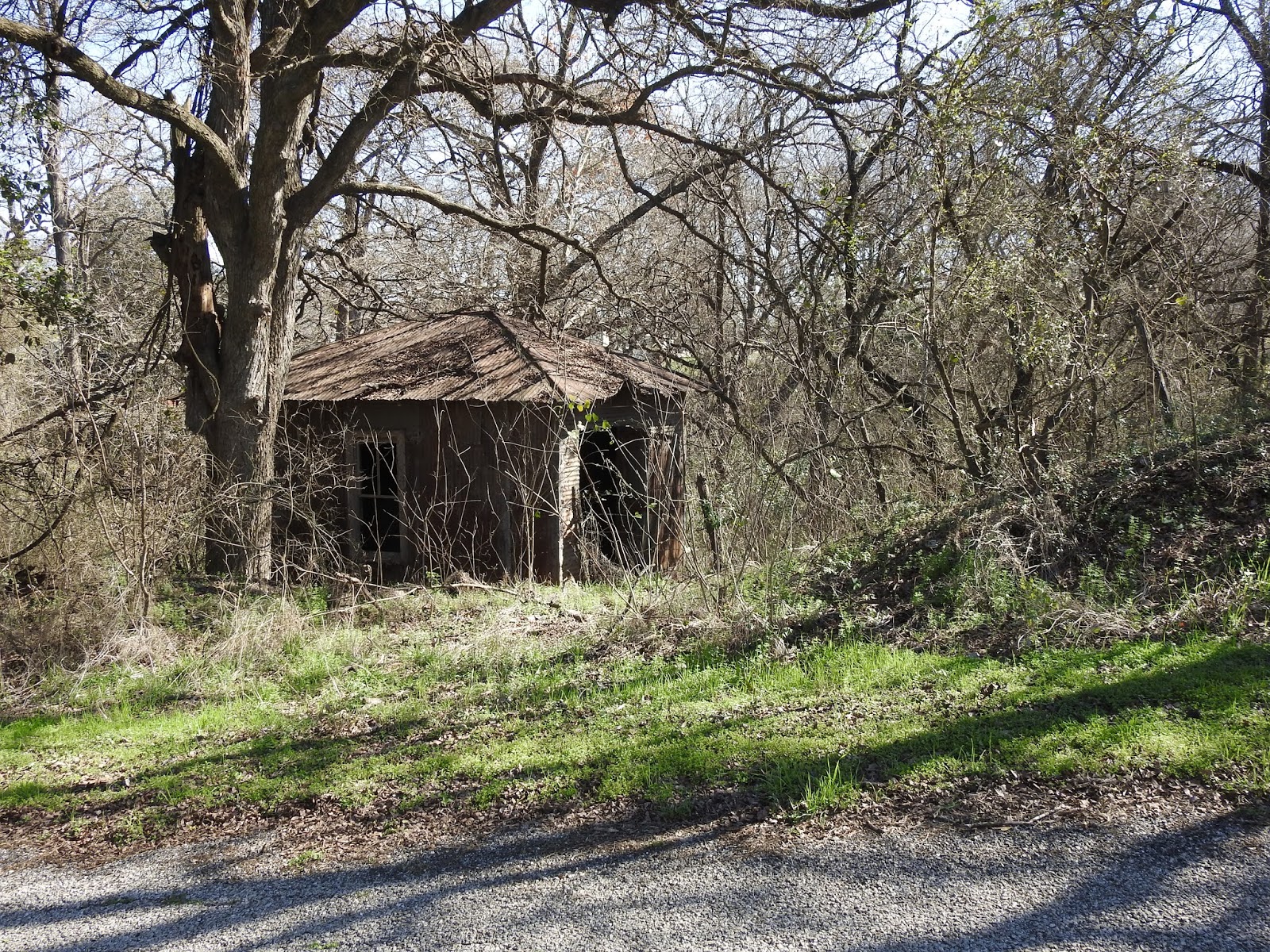


Figure  27.4  The pump house for the water project.


The project’s members did almost all the work themselves including acquiring bank loans, ordering and installing the pumps, erecting the water tower and laying the pipe ten feet onto each member’s property.  From there each farmer laid pipe and installed faucets to the kitchen, barn, wherever they wanted to have a water supply.  No more carrying water from the cistern and now a way to alleviate some of the effects of the long drought.  Irrigation was to be limited to gardens and yard plants.

How did these small- town farmers know how to successfully accomplish engineering this water project?  They were members of a small community, most were on the same party[3] line, they knew each other well and were accustomed to working together and helping each other.  A lawyer friend told them how to set up an organization. The organization also had the help and advice of local bankers, a friend who had already set up a water system in McQueeney and in addition they got Alamo Iron Works of San Antonio involved.

They held meetings, wrote bylaws and elected a board. Farmers mortgaged their property, funded the Stagecoach Community Water System,  and became members.  A member who owned the land where the pump house was to be built, donated a 50-year land lease. They were in business and construction began.

Once activity began, members and other onlookers showed up to work or watch the progress.  Finally, the day arrived to open the faucets and flush the lines while a few housewives watched appalled as brown water gushed forth.  Reassured that it would clear, they soon saw clear Guadalupe River water take its place.

Unfortunately, nothing remains of this great community effort except for the pumphouse, the underground piping and probably a few foundations covered over with vegetation.


Figure 27.5 Pumphouse foundation


Figure  27.6  Rusted remains of a buried pipe


Back in the car, we returned to Hwy 725, turned right and traveled a short way until we saw Acme Brick on our right.  The site of the clay pits and brick company has had many owners and is over 100 years old.  The book author’s father worked here during the drought years to add to the farm’s income.  And it was here in 1929 that he lost his life in a tragic accident at the age of 39.
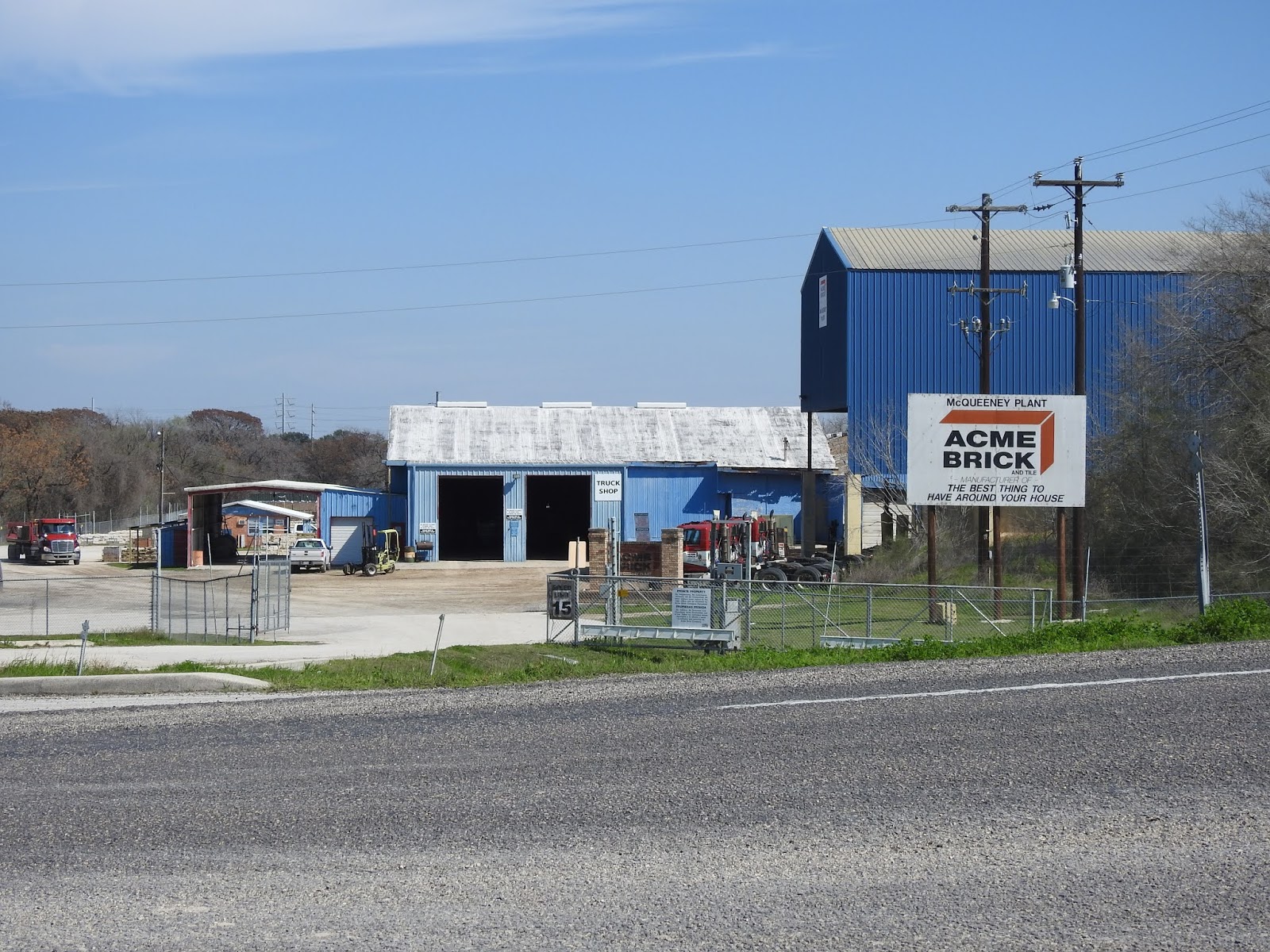

Figure  27.7  Acme Brick McQueeney Plant on 725.


The plant no longer makes brick and tile as, we were told, the clay is much more accessible in Kingsbury, and the bricks are made in the large modern plant in Sealy.  Some are hauled here for local sales, but it is mostly used as a truck depot and repair garage. A man on duty at the office showed us a brick with a Seguin imprint that was made back when the plant was the Seguin Brick Company.  He then told us about a seam of blue clay discovered at this site that was found to be loaded with fossilized sharks’ teeth.

We returned to Stagecoach Road and with the telephoto lens took a couple of pictures of old barns.  Surrounded now by mesquite trees they are left on the properties once owned by the author’s father and grandfather. 


Figure  27.8  Old barn on Stagecoach Road


Figure  27.9  Collapsed outbuilding on Stagecoach Road.


Figure  27.10  Site of the school the author attended.


The school was quite close to the author’s home when he lived on Stagecoach Road. There are very few traditional farmhouses with fields left on the road.  And when we were there in early fall, the crops that had been planted in the fields that were still producing were not cotton, but field corn grown for animals. And, the new dwellers along this road have no knowledge of the activity here 100 years ago.

Next on our agenda was to visit the town of Marion. Back in the early part of the twentieth century it was a bustling town. Today, the activity in the town is less than in the past but it still has all the businesses for local needs.  A prominent feature of the town is the huge hardware store that can supply just about anything a fellow would need.


Figure  27.11  The General Merchandise store and bank building in Marion, Texas, ca. 1920s.
  

This is where the local farm families came for repair parts, tools, building materials, pots, pans, buckets, plumbing supplies, you name it.  They could ship their cotton and pick up orders shipped to them from San Antonio and beyond. Also, over 100 years old, the General Merchandise store is still there but now with a franchise name: Helping Hands Hardware.


Figure 27.12  Hardware store Marion present day


The exterior may look a bit different, but the interior looks much like it must have looked in the old days.  The inventory is incredible and rises from the well- preserved wooden floor all the way to the ceiling on neatly stacked shelves.


Figure 27.13  Inside of Helping Hands Hardware


Note the old wooden ladder on rollers to access the upper shelves.


In Figure 7.11 you can see that cars were beginning to replace horses and even the train as a means of transportation.  And the thrifty farmers became mechanics in many instances and learned to repair their own equipment using books and magazines to help them.


Figure  27.14  Ad in a Popular Mechanics magazine.


Tires in those days were often victims of rough gravel roads and in one of the book’s narrated incidents, a problematic tie rod had to be dealt with.  One of the men sacrificed the tongue of his leather shoe to make a temporary sleeved bearing for his engine that served until the bearing could be replaced.


After Black Friday and the onset of the Depression, women joined men in looking for work in businesses and factories in towns and cities.  While families on farms turned to new ways to augment their living from crops.


Figure  27.15  Ad in a Popular Mechanics magazine.


Having become a widow, the author’s mother assessed her situation and decided to lease her home and farm to tenants and focus on her children’s education.  She used her husband’s insurance money, brickyard settlement and workmen’s compensation to pay off most of the farm’s debts and build a smaller mini farm on almost three and a half acres on Zipp Avenue in McQueeney.  The children would be closer to their new school and they would continue to raise chickens, cows and pigs and sell eggs, milk and butter.  Just up the street lived her sister and her husband; her youngest sister would be moving with her.

Recently, we searched for this house built in 1930 and found it on Zipp Avenue.


        Figure  27.16  The house on Zipp Avenue


               Figure  27.17  house on Zipp Avenue 2020.


The house appears to have changed very little over the last 90 years.

With the discovery of this house, we had come to the last of the known existing effects of three generations of the people featured in Stagecoach Road. And while we were still thinking about lower roads in general, we decided to revisit via, Google Earth, the lower road we grew up on in Michigan.

Known as the Lower Ada Road by the old folks, Carl Drive, a gravel road peeled off from M 21, went downhill a short distance and hooked up with Grand River Drive another gravel road.  The road paralleled Grand River, unseen behind the hills, on its way to Ada.  We put R’s old house number 5870 Grand River Drive in Google Earth search box and were whisked to another enclave of three generations. Across the road lived his grandmother and next to her his Aunt Mae and cousin, JoAnn.  And in 1946 Dee’s family moved next door on two acres.

Now the gravel road is paved and there’s even a sidewalk.  Behind his relatives’ homes was his grandparents’ vineyard.  The vines produced table grapes to sell in Grand Rapids and wine grapes for neighbor, Tommy Pugliesi.  The vineyard was also where R’s grandfather found a large stone Indian tool and his uncle uncovered a copper spearhead.  All the people living in subdivisions along this ridge of land today probably have no idea what was here in the past.  They won’t know that Mr. Martin let us kids play on his tennis court, range all over the pine forest he planted. and skate on his pond.  And, Mr. Sarret let us make a ball diamond on his property on Alta Dale Drive.  Then still on Alta Dale but over M- 21 we fished and swam in Mikucki’s creek.  No one ever questioned our presence so we assumed it was okay to share the field with the cows.  We know what houses were present in the 1940s and have pictures of most of them and remember who lived in them.   But the schoolhouse that used to sit on the corner of Carl Dr. and Grand River Dr. has been moved into Ada and serves as a Country Store.  None of us who lived there at the time live there today to pass on what existed in the 1940s.  Looks like a good opportunity for another book.  This one to be titled This Old Road.

______Sightings

Here is a “never before” for us: 

Several of these snake-like “things” were spotted on the driveway this last week. From six feet away, it looked like a slow- moving snake with no discernable head. Close inspection showed it to be a well- organized troupe of bugs. We saw something new, at least new to us.


Figure 7.17 Fungus Gnat Larvae


 R &D Tusch


[1] All may borrow it should you need to use one.
[2] Stagecoach Road (Revisited) by Dalton Elley- 2002 revised by Steve Mardock – 2017.  Available at the Wimberley Library in the Book Club Section.
[3] A telephone party line, meaning that it was shared with neighbors with each member having a unique ring.

Monday, March 16, 2020

Rare and Unusual Plants

Now that spring is approaching and we have an opportunity to renew our familiarity with the plants that grow here, we picked up on the theme of rare and unusual plants of Central Texas. Sometimes the enjoyment of knowing about plants is to explore the unusual. Sometimes unusual means rare, but not always. There are lots of plants that are very common and at the same time unusual.
Oak trees are not one of our selections of rare and unusual plants, but it would be helpful to spend a minute or so on oaks as they are the unusual of the tree world, in our opinion.
It is estimated that there are 500 oak species in the world and in Texas, we have at least 43 species of the genus Quercus. There are two others that are hybrids. Oaks are unusual because they have a high degree of adaptability to changing habitat. So, the interest in oaks as an unusual plant is in the detail of their genetic structure. How can oaks have this adaptability when, on the other hand, we have a plant that is also unusual, but in stark contrast with the oak. It’s the Texas Wild rice, and it is not adaptable to different environments.
Texas wild-rice (Zizania texana) grows only in the San Marcos River. Those who have walked near the river have seen this grass plant with its long leaves waving in the current of the river. Unless you look carefully, you would not think the leaves could be as long as seven feet.
There are two wild rice plants native to Texas: zizania texana and zizania aquatica. There is a third wild rice native to the USA, but it grows only in the northern wetlands border with Canada. It’s the wild rice that has historically been harvested by the Native Americans for hundreds of years and still is today. It is zizania polustris. All the wild rice grains are long, slender and dark, quite unlike cultivated rice, which is not of this particular rice family. That was the topic in more detail last month.
So, what makes Texas wild- rice special? It’s rare, only growing in the first hundred yards of the San Marcos River after it emerges from Spring Lake. And, secondly, it will only grow in the conditions offered by the first hundred yards of the riverbed.

 Figure 6.1 Texas wild- rice in the river

The conditions necessary are (a) clear water so that sunlight can reach the leaves (b) moving water, so that the leaves get a constant supply of carbon dioxide for absorption into the plant (c) a sandy soil so that the tillers can get a foothold in the soil (d) the avoidance of freezing conditions as the plant is a perennial.
We discussed all these parameters with Chris Hathcock, the Regional Botanist for the US Fish and Wildlife Service located on McCarty Lane in San Marcos. Chris oversees the horticulture of wild rice at the USFW research facility on McCarty Lane where there are large tubs of Texas wild-rice growing in the same conditions that exist in the river. The tubs use the same water as flows from the springs since they pump the water from the Edwards aquifer. Here, at this research facility, they have two purposes. One is to provide a controlled environment to study the plants inability to adapt to other conditions and the other is to maintain a herbarium bank, so to speak, of plants so that in the unlikely event of the destruction of the native stand of plants in the river, they can be replaced from the banked plants.


Figure 6.2 Tubs containing potted Texas wild-rice plants


Figure 6.3 The Herbarium plant bank

Little is known about how Texas wild- rice got into this predicament of having such a narrowly acceptable habitat. But, it will be difficult for this wild rice to get out of this dependency on the specific conditions of the San Marcos River since it is multiplying only by root tillers, which clone the plant. The plant can produce seeds, but the experience of the botanists is that seed production is very low. Perhaps this is because the plant sees no seasonal change except sunlight hours.
For many years, up until 1938, the botanists thought it was the same plant as commonly grows along the gulf coast, the zizania aquatica, but then discovered that texana is different from that aquatica. Aquatica is an annual, it dies each year and new plants grow from seed. Texana is a perennial and it can spread from seed, but mainly from root growth (tillers). Reseeding is probably ineffective in the San Marcos River because by the time the seed picks up enough moisture to germinate and gets washed downriver, it is in unacceptable soil. So, tiller growth seems to be the only way for this plant to spread naturally in this location.
Before the plant was deemed endangered it was viewed as an invasive pest in Spring Lake and the downstream river. It was chopped out, cattle grazed it and so on.
For a time, Texas wild-rice was seen in the Comal Springs water, but that spring dried up in the 1950s so it all perished. The Texas wild-rice is the canary in the coal mine. Take notice if it dies.
The Giant Red Sage (Salvia pentstemonoides) is another interesting plant but does not have the notoriety of Texas wild-rice. This plant, of the salvia family, looks like the common red sage (salvia coccinea) but is much larger and a more elegant plant. This plant needs plenty of water and semi shade, where it likes moist limestone overhangs.


Figure 6.4 Giant Red Sage (Texas Parks and Wildlife)

This plant was known as growing only in Texas, but then for some number of years, it could not be found, and botanists thought it had gone extinct. However, in the late 1980s, it was rediscovered by Marshall Enquist in central Texas. Still, no stands of this plant are known (or let be known) but seeds and plants in nurseries have become available----so reported. An amusing (now) story on the availability of this plant: A few years ago, we were surveying the plants at the plant sale at what is now the city’s Discovery Center and I spotted a very tiny seedling labelled Giant Red Sage. Knowing what I knew about this plant, I bought it, planted it in a spot where it could be kept moist. When it became large enough to identify, I found that I had bought a Mexican Petunia. It shows that many plant sellers do not know their plants as is also the case of the buyer in this instance.
All the literature on this plant says that it is easy to grow in home gardens and has now become widely available. But, a search for the seeds has not been successful. Native Seed of Junction, Texas, for example, reports that their plot of seed producing Giant Red Sage plants was flooded last year and they lost their entire planting.
Stick-Leaf (Mentzelia oligosperma) has been seen by us as a single plant only in our backyard, but it is not considered to be rare, so we are on the lookout for more plants. It is a perennial and a prolific seed maker. The plant is not very tall, it is shrub like in shape and has yellow flowers.
We first discovered it because in whacking it down, we found that the leaves stuck to our shirt sleeves with such a tight grip that only shredding the leaf would remove it and then only partially—even a trip through the washing machine did not remove it all. Surely, the person that held the original patent on the fastening system that became Velcro developed the idea from this plant.


Figure 6.5 Stick Leaf flower and leaves


Figure 6.6 Underside of the leaf of the Stick Leaf

With a microscope, these barbs on the underside of the leaf look like upside down Fir trees.
A look at the range map of this plant shows that it is rather widespread in the midsection of the country----except for its existence in Massachusetts. (may be difficult to see, but Massachusetts is colored green.)


Figure 6.7 Range of Stick Leaf 

In Massachusetts the plant was found growing in a refuse dump of an old wool processing factory. Now, doesn’t that stir your imagination? Some poor old sheep wandered into a patch of Stick-Leaf here in Texas, then went to the shearing pens, the wool was shipped to Massachusetts and cleaned of all the vegetative trash and out went some seeds to the factory dumpsite. Stick-Leaf hiked all the way to the east coast, first to the dock at Galveston, then by boat to Boston and then by wheels to the wool processing plant and then to the processing dump.
This plant also has the common name of Chicken Thief. Again, not holding back your imagination, can you see in your mind’s eye a farmer’s whole flock of chickens being held captive in a patch of these plants? As we would say “might could be true”.
Thurber’s Stemsucker
Most plants grow in the soil, right? Well, not all do, because some are air growing plants like those from the bromeliad family, only using the plant that it grows on as support. Locally we see those plants as ball moss, or, if closer to the coast, a different variety of bromeliad commonly named Spanish Moss. These plants do not grow as parasites by sapping the host plant but use the host plant for support. However, there are some that do live off the host.
But, here is a plant that grows inside the stem of a host plant. Its name is Pilostyles (Pilostyles thurberii) with a common name of Thurber’s Stemsucker. All this plant, except for the flowers, lives inside the stem of the host plant. Its favorite host plant is of the legume family, most notably in Dalea frutensis. It only looks for host plants of the legume family but may chose a different variety of legume depending on where you find it.


Figure 6.8 Pilostyles in bloom by Marshall Enquist

This plant is more common farther to the southwest, but Enquist has found one plant near the headwaters of Barton Creek in Hays County. In the areas of the southwest, the host plant is also a legume, but it is different from frutensis. The parasitic plant apparently does not harm the host plant as Enquist relates that the host plant grew and bloomed normally. The seeds are small, and how they travel to the host plant is unknown.
The Pilostyles plant family (Rafflesia) grows on five continents and consists of ten different species. One of its relatives in Asia puts out a flower that is nearly three feet in diameter, yet its entire plant structure is parasitic living inside the host plant. Plants of this family are unusual in another respect; it has only five or six genes, it does not contain chlorophyll, but transfers some of the genes from the host plant to its own system during the bloom time. It is regarded as one of the most basic of plant organisms and probably has existed for thousands, maybe millions of years.
__________Sightings_____________
Spring is about to spring out on us, so we need to keep our eye out for telltale signs. One such sign well publicized in the past by Leon Hale, is the leafing- out of the mesquite tree. He and a friend used to follow the occurrence of spring from the Rio Grande northward. Those who once lived in Houston might recall his stories in the Houston Chronicle. Leon Hale is getting on in years and does not make this trip to gauge the arrival of spring anymore.
Last year you may recall we had our first blossoming of the Mexican plum tree, but the blossoms then froze, and we ended up with only one plum. Now, right now, the tree is blooming again, and we hope that the last frost has occurred so we can see what this little tree can produce.


Figure 6.10 Mexican plum blossoms.

The hen turkeys are out scouting for nesting places. Here is a photo of one that was wandering through the side yard.


Figure 6.11 Turkey looking for nest site

The flock of turkeys this year seem to be about 20—at least that’s the most we’ve seen at one time this spring.
One last harbinger of spring: the wild redbud in full blossom. There are several of these around, some in Summer Mountain and two in the fence line on Hugo Road.

Figure 6.11 Redbud blooming
R & D TUSCH

[1] Marshall Enquist’s book on Wildflowers of the Texas Hill Country is probably one of the best plant books to have in your library.


Saturday, February 15, 2020

Rice

We never know where the ideas for these newsletters will originate. This newsletter began in the Wimberley H-E-B on aisle 2 in front of the rice section as we both scoured the bags and boxes for Riceland’s Jazmine rice grown in Arkansas. That’s when we noted again how many different rice varieties the store is carrying and from how many different states and countries. Rice is one of our most ancient foods and has been under continuous development for centuries and by many of the worlds people. It became an interesting trail to follow.


Figure 1 Some of the varieties available.

Genetic evidence has shown that domesticated Asian rice Oryza sativa originated in the Pearl River valley in Southern China between 8,000 and 13,000 years ago. From there it spread to southeastern and south Asia, and westward across India. By 1000 B.C. it reached the Middle East and then the Moslem conquerors brought rice to Spain in the 8th century and to Sicily in the 10th. In Asia this cereal grain is the most widely consumed staple today and it feeds half the world’s population. Because of corn’s diversification into additions to food, corn oil production, ethanol production, etc. rice as food has risen in importance, especially for its calorific value. There are now over 40,000 varieties of domesticated rice, plus wild rice.


Figure 2 Asian rice Oryza sativa

The second major rice species Oryza glaberrima dates from about 3,500 years ago in the Niger River delta on the coast of West Africa. It was an important crop in this area but never spread extensively from its origin.


Figure 3 African rice Oryza glabirrima

However, the skills of its African growers were instrumental to the success of growing rice in the new world. More about their contributions and those of Japanese immigrants later.
Having been familiar with pictures of rice being grown in paddies and irrigated fields, we found it interesting to learn that rice can be grown in any normal field. But since it can germinate and grow under water, paddy fields reduce the labor to grow it. Weeds cannot grow in the water and insects and animals are unable to eat the tender shoots. While the domesticated form of rice continued to make its way toward the New World, four species of wild rice forming the genus Zizania palustris were being harvested in China and the North American regions of Maine, the Great Lakes, Minnesota and Wisconsin. Wild rice gathering is still a part of the culture of the Native Americans and forms a large part of their caloric intake. It has also become a delicacy in the U.S. with the tribes selling their excess grain on the Internet. In China, the focus has moved from the grain to the plant’s stem which they eat as a vegetable.[1]


Figure 4 Manchurian Wildrice

Above are the unpeeled and peeled swollen, crisp stems of the wildrice grown by the Chinese and used as a vegetable. The stems swell because they are infected with the smut fungus Ustilago esculenta which prevents the plant from flowering. It must be harvested after the stem begins to swell, but before the infection reaches its reproductive stage, when the stem turns black and begins to disintegrate into fungal spores. Known as coba in China and water bamboo in English, its importation to the U.S. is prohibited in order to protect the North American species from the smut fungus.
Arthur Haines in Maine’s Kennebec Region has made a very interesting YouTube video titled Wild rice Harvest and Preparation. It begins as he and his partner are harvesting wild rice in a canoe. And while he slowly poles the boat through the rice, she plies two rice knockers (rounded sticks). Working rhythmically with a whip-knocking motion creating a swishing sound, she gathers some rice stalks over the boat and passes the other stick over the grains knocking them into the bottom of the canoe. They continue down a narrow water trail until they have enough rice grains to process for their needs. As a measure, one hundred pounds of collected grain will produce around 45 pounds of finished rice. The next step is to sun-dry the rice for 3 days. Then the grain is dumped into a 24” x 24” metal parching tray which is placed on a wood-fired outdoor grill. The rice is stirred and parched until the outer layer begins to crack. After the grains are cooled, Arthur pours them into a large bucket lined with animal hide and proceeds to stomp on them with his deer-hide moccasins. He then winnows the result and is left with beautiful black long grain wild rice.


Figure 5 Wild rice produced in the traditional manner.

This traditional, personal processing is very similar to that used by early indigenous people according to archaeological evidence left behind at their seasonal ricing camps.[2] Clay linings have been found in thermal parching pits and animal hides were discovered in ground depressions where they stomped on the rice to thresh it. Accounts of explorers, fur traders and government agents from the early 1600s to the late 1800s extolled the benefits of rice as a food, its storage qualities and ease of preparation. Check the Internet for wild rice harvested, processed and sold by native tribes in the Great Lakes Region.
The folklore of the Anishinable people (Chippewa, Ojibwa and Ojibwe of today) relates that they were once part of a larger Algonquin group that left eastern North America on a centuries long migration west along the St. Lawrence River and Great Lakes. It details a vision to follow a great clam shell in the sky to a place where the food grows on the water. This journey ended between the late 1400s and early 1600s in the Lake Superior wild rice country when they encountered the plant. (Warren 1885)
California wild rice is grown commercially on 20,000 acres and is planted in cultivated paddies. It is a minor crop; however California is the largest producer of cultivated wild rice in the world. Trader Joes carries 100% California-grown wild rice on the Internet, but most wild rice in the grocery stores is sold as a blend such as Lundberg Wildblend Rice which consists of 5 different grains.
Exact nutritional components will vary depending on the manufacturer so be sure to read the food label on any rice you buy.


Figure 6 Lundberg Wild blend Rice

Left to right they are: Wild Rice, Black Rice, Wehani Red Rice, Long Grain Brown Rice and Sweet Brown Rice.
The first successful planting of Asian rice in the colonies was in 1685 in Charleston, South Carolina. And rice cultivation was well established in the Carolinas by the 1690s.[3] Not knowing anything about the cultivation and processing of rice, the American colonists depended on slaves imported from the rice growing regions of West Africa. By 1700, these experienced and skillful slaves were planting, irrigating, harvesting, drying, winnowing and milling rice on plantations in the South. By 1750 rice cultivation had become a very important American business especially in South Carolina and Georgia. This lasted for 100 years until the end of the Civil War. Caused by several factors; the end of slavery, devastating hurricanes and overworked and depleted soil, the rice industry in those states was dead by 1900.
However, at the same time , growing rice commercially became important elsewhere. Louisiana, Texas, and Arkansas and later Northern California and Mississippi took their places and remain America’s rice growing regions today.

Figure 7 1909 Hauling Rice in South Texas. 

The first documented record of rice in Texas is from the Austin Colony settlement in the northernmost Mexican province, Coahuila y Tejas in 1828. And in 1836 Stephen F. Austin’s cousin Mary Austin Holley wrote that, “Rice is already produced in considerable quantities…”
This early rice farming was a primitive business. Small plots were cultivated with plow animals, seed was planted by hand, the rice was cut with sickles, winnowed in baskets and milled by heavy mortar and pestle. And it was known as Providence Rice as it relied on Providence for rain. Irrigated rice production entered the picture by the 1850s in the southeast part of the state on plantations worked by slaves until after the end of the Civil War. In the 1880s many factors worked together to ensure its success: wells were introduced, canal systems, irrigation pumps, milling machinery and the expansion of railroads that facilitated marketing. Wheat and oat mid-westerner farmers and investors were attracted by the cheap land prices of suitable rice land in Texas, and their mechanized equipment worked as well on rice as it had on wheat. By 1900, Texas and Louisiana together produced 99% of the commercial rice in the U.S. Immigration was encouraged, the immigrants came and the rice fields flourished. Texas A & M University and the USDA jointly established the Beaumont Cooperative Rice Experiment Station, which remains to this day one of the premier rice research facilities in the world. By 1915 there were big rice mills in Port Arthur, Beaumont, Orange and Houston. The rice was sent locally by railroad and was shipped out from Houston and Galveston to national and global markets.

Figure 8 Japanese rice growers in Texas.

The above picture shows a Japanese rice farm near Houston in the early 1900s. These immigrants started about 30 large-scale farms to grow rice on the coastal plains around Beaumont and Houston. Looking for opportunities for Japanese to settle in the United States, the Japanese Consul in New York City successfully campaigned for Japanese investors to look at the Texas rice industry as a good money-making enterprise. These gentlemen were well educated and had careers in business, law, politics and the military as officers. They purchased acreage and machinery and brought with them their families and the families of rice farmers who knew how to grow the crop. Two of the well-known Japanese communities were the Saibara settlement in Webster just outside of Houston and the Kishi Colony near Beaumont. Seito Saibara’s descendants continued rice farming into the 1970s. Kichimatsu Kishi and his farmers did well and the rice prospered until 1912 when saltwater contaminated their irrigation source. They then switched to vegetables, fruit and cattle and continued farming until the 1930s.
Japanese rice farmers and Texas rice farmers, in general, did well until the rice market collapsed in 1929 as the Great Depression began. But even before this economic upheaval, the world was affected by Japan’s conflict with the Russian Empire in the Russo-Japanese War. With these events, discrimination against Japanese had begun especially in California. In 1921 the Alien Law that banned foreign immigrants from buying any more land was passed in Texas. The U.S. Congress followed this up in 1924 with legislation that closed further Japanese immigration. Western opinion solidified against the Japanese as they invaded and conquered Manchuria in 1931, a second Sino-Japanese war broke out in 1937 and Japan bombed Pearl Harbor on December 7, 1941 catapulting the U.S. into WW II.
Only a few of the Japanese rice farms lasted to the end of the 1970s, the rest became truck farms or were sold off. None are left now, but descendants of the early settlers can still be found in urban areas of the Gulf Coast. And several organizations have worked to document and preserve the histories of early Japanese Texans who made such important contributions to the rice industry.
Entering WW II our country needed to find ways to feed the U.S. military. A perfect food had been invented in the 1930s, it just needed to be produced in quantity. Erich Huzenlaub, a German biochemist invented a way to improve the shelf life and nutritional value of common white rice. Unhulled, cleaned rice is added to a vacuum tank that sucks the air from the grains. Then, hot water containing water-soluble B vitamins is forced into the grains at high pressure and steam seals the grain. After drying, the husks are milled from the rice leaving smooth, hardened kernels that insects cannot penetrate and sealed nutrients that cannot be rinsed away. The surface starch, however, is rinsed away to leave easily separated grains after cooking. Thus, Uncle Ben’s Converted Rice was born in 1942 by three key people: the inventor (Huzenlaub), the manufacturer (Forrest Mars of the candy company) and the food promoter (Gordon Harwell ).

Figure 9 The first Uncle Ben's Rice plant in Houston, TX. 1944

The U.S. Military bought all the rice the company could produce and helped pay for a bigger facility that would process 25 to 30 million pounds of rice a year for the US Army.
Once the war was over, the three gentlemen had to come up with a plan to peddle their product to the general public. Long before the war Harwell had brokered a small-scale product called Uncle Ben’s Plantation Rice. Supposedly, Uncle Ben, had been an African American of award-winning rice growing in the Houston area. Then deceased, all other facts about him were unknown. With the name chosen, all they needed was a personification the likes of Aunt Jemima. The man they chose was Frank C. Brown, maĆ®tre d’ at the Tavern Club in Chicago and 73 years later his image still enhances boxes and bags of Uncle Ben’s products.


Figure 10 Uncle Ben's Rice logo

Today, Texas is the fifth largest rice-producing state after Arkansas, Mississippi, Louisiana and California. The top three rice producing counties now are Colorado, Wharton and Matagorda that grow about 60% of the Texas rice crop. Texas rice production and processing adds $200 million per year to the state’s economy according to the USA Rice Federation.


Figure 11 Rice production counties

Texas rice farmers are dependent on favorable elements to ensure good crops and if they are lucky, more than one crop a year. Water is of primary importance, which is why many of the large producing counties are situated on a river water source. As an example, according to the Lower Colorado River Authority (LCRA) “…coastal rice farmers began using the waters of the Colorado River in the 19th century, more than 40 years before the Highland Lakes were created.” Therefore, LCRA is bound by two reasons to be responsible to the rice farmers under Texas law: (1) The state must give preferences to certain types of water usage when granting water rights. In other words they may sell stored water (which may be curtailed during water shortages) to other entities under the LCRA Management Plan which is subject to state approval. (2) State water law says that, “first in time is first in right.” The rice farmers’ use preceded that of Highland Lakes and the dams may not even have been built without the farmers’ backing. Thus they satisfy “first in time.”
River water costs less than well water but is unreliable in years of drought. So rice farmers are always looking for the best methods of conserving water. Fields are now leveled with precision GPS and laser -guided grading equipment so that water is added a uniform 5 inches deep.
Seeds, herbicides, pesticides and fertilizers are all applied by plane. Economy, quantity and frequency are judged carefully especially in the case of the chemicals.
Below is another crop possibility for Texas rice farmers according to Shelby Webb writing for the San Antonio Express. His article was titled, “Demand for crawfish has given rice farmers a new option.”


Figure 12 San Antonia Express-News 1-02-2020.

Southwest of Beaumont the Reneau family rice farm is now devoted to 70% rice and 30% crawfish. And the plan is to split the crops at 50-50. Back in August 2018, the family drained the land and added the crawfish who buried themselves in the mud. The rice was harvested leaving 1 inch of stalks in midfall and the field was flooded again. By December or early January, the mudbugs crawled out of their castles and began feeding on the decaying rice stalks until being harvested between January and May.
Crawfish have increased in popularity not only in the U.S. but globally as well, so now some Texas rice growers are taking advantage of this increased demand.
In case you missed mention of Zizania texana that grows nowhere else in the world besides the first mile of the San Marcos it will show up next month in Rare and Unusual Plants of Central Texas.

-----------Sightings--------

Figure 13 Blue-Winged Teal (Anas discors)


Figure 14 Great Blue Heron (Ardea herodias)

Both birds were seen on the pond on Hugo Road on January 27, 2020.


Figure 15 Possomhaw Holly tree on Steeplebrook Dr. (Ilex decidua)

One final sighting is a “must read” by Joe Urbach at this link. nature
R & D Tusch

[1] Wild rice, Wikipedia.
[2] Wikipedia: Rice processing by various cultures.
[3] Edible Austin 2016.
[4] From the George Fuermann Texas and Houston Collection University of Houston Library


Wow! 2024 A year of change

 Looking back over my notes of what happened with the vegetation this year brought back memories of how much of a shift we have seen from pa...